
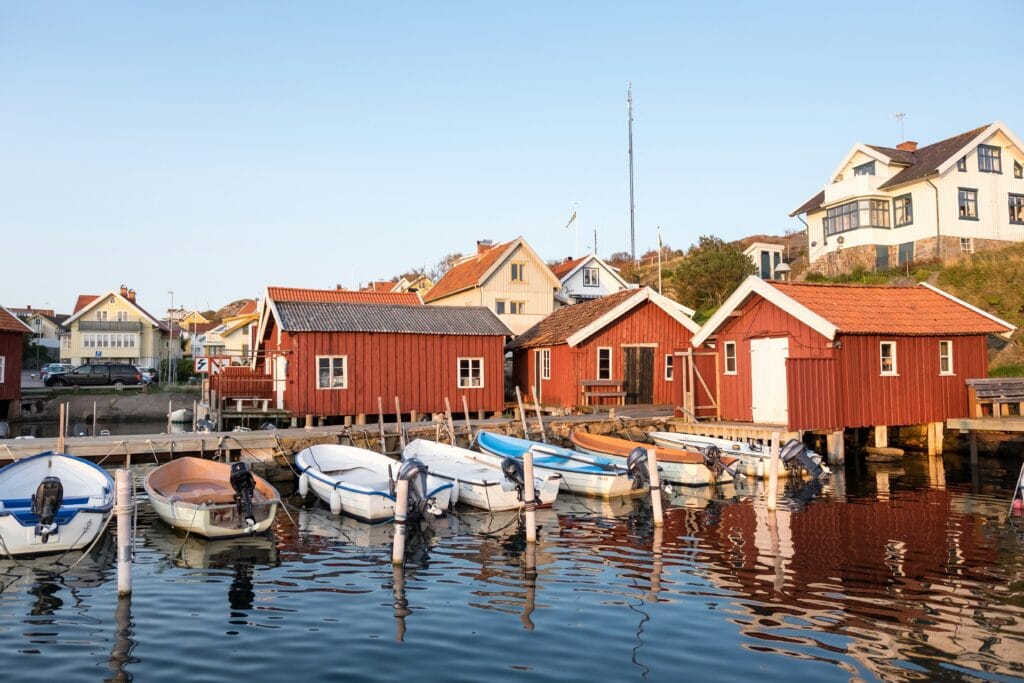
Midsummer, or Midsommar in Swedish, is one of the most cherished and widely celebrated holidays in Sweden. It is second only to Christmas in cultural significance. Taking place around the summer solstice, typically on the Friday between June 19th and 25th, Midsummer marks the longest day of the year and the official start of the summer season. For Swedes, it’s a time to reconnect with nature, celebrate life, and honor age-old traditions. These traditions stretch back centuries, particularly celebrating midsummer in Sweden.
Courtesy for the image above to Manuel Nageli through Unsplash.
A Celebration of Light and Life
Sweden’s northern latitude means that winter days are long and dark, especially in the north. In contrast, Midsummer brings nearly 24 hours of daylight in some regions—creating a natural backdrop for joy, festivity, and renewal. The celebration is deeply rooted in pre-Christian solstice rituals. Though modern festivities are largely secular, they retain a strong connection to nature and folklore, especially during midsummer.
The Midsummer in Sweden Maypole: Heart of the Celebration
At the center of Midsummer festivities is the maypole (midsommarstång in Swedish)—a tall pole decorated with greenery and flowers. It is typically raised in an open field or village green. Dancing around the maypole is a highlight of the day, especially for families with children. The most famous dance, “Små grodorna” (The Little Frogs), is a humorous and spirited routine where dancers hop in circles pretending to be frogs, complete with sound effects. This celebration is iconic of midsummer in Sweden.
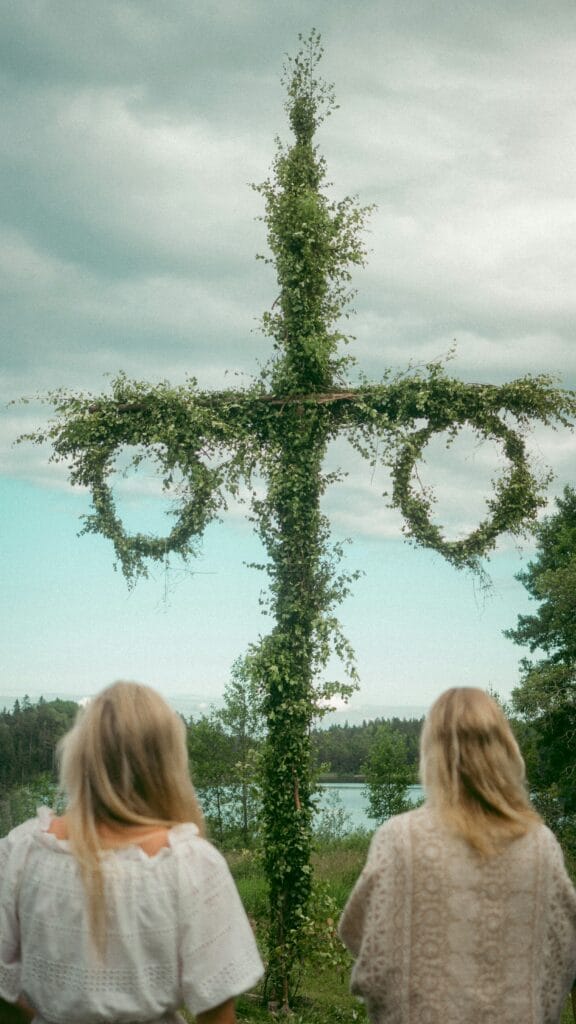
Courtesy for image to Davide Biscuso at Unsplash
Traditional Dress and Decor
Many people wear traditional Swedish folk costumes or summer outfits. These outfits are adorned with flower crowns (**blomkransar**) made from wildflowers and greenery. Homes and public areas are decorated with birch branches, wreaths, and flowers. This brings the beauty of Sweden’s lush summer landscape indoors, much like the vibrant midsummer celebrations.
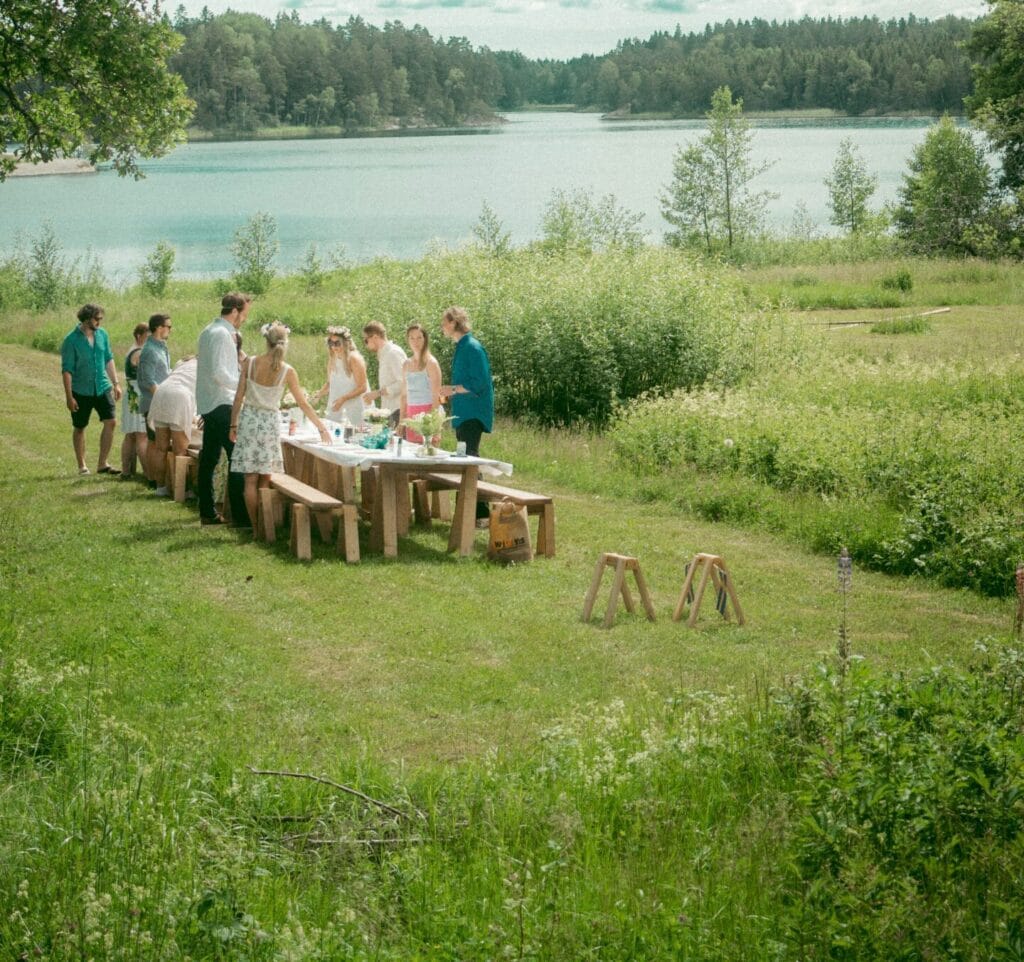
Courtesy for image to Davide Biscuso at Unsplash
The Midsummer in Sweden Feast and Festivities
Midsummer is also a time for feasting. A traditional **Midsummer smörgåsbord** includes:
Pickled herring (sill) in various flavors
New potatoes with dill
Gravlax (cured salmon)
Fresh strawberries, often served with cream
Knäckebröd (crispbread) and cheese
The meal is usually accompanied by **snaps (Swedish schnapps)**, and each shot is traditionally followed by a **snapsvisa**, or drinking song. Laughter, singing, and toasts are integral to the gathering, reinforcing a strong sense of community. All of this centers around the fun of midsummer in Sweden.
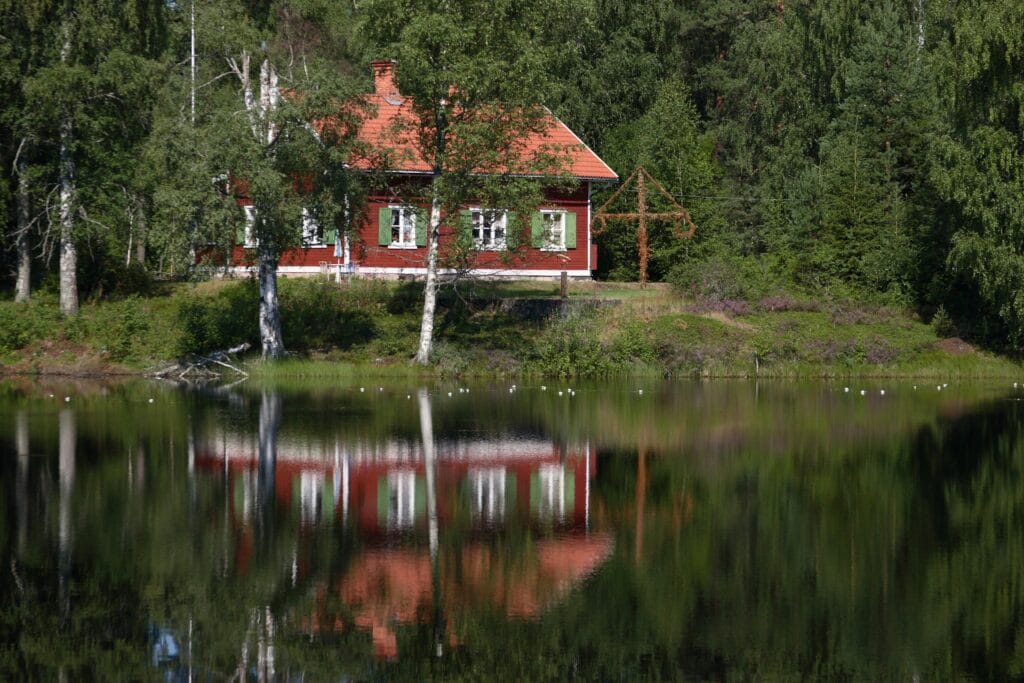
Courtesy for image to Christer Lassman at Unsplash
Rural Retreats and Summer Houses
For many Swedes, Midsummer is synonymous with escaping the city and heading to the countryside. Celebrations often take place at summer cottages (sommarstugor in Swedish) near lakes or forests. Families and friends enjoy nature, relax, and socialize late into the light-filled night. This escape is a quintessential aspect of experiencing midsummer in Sweden.
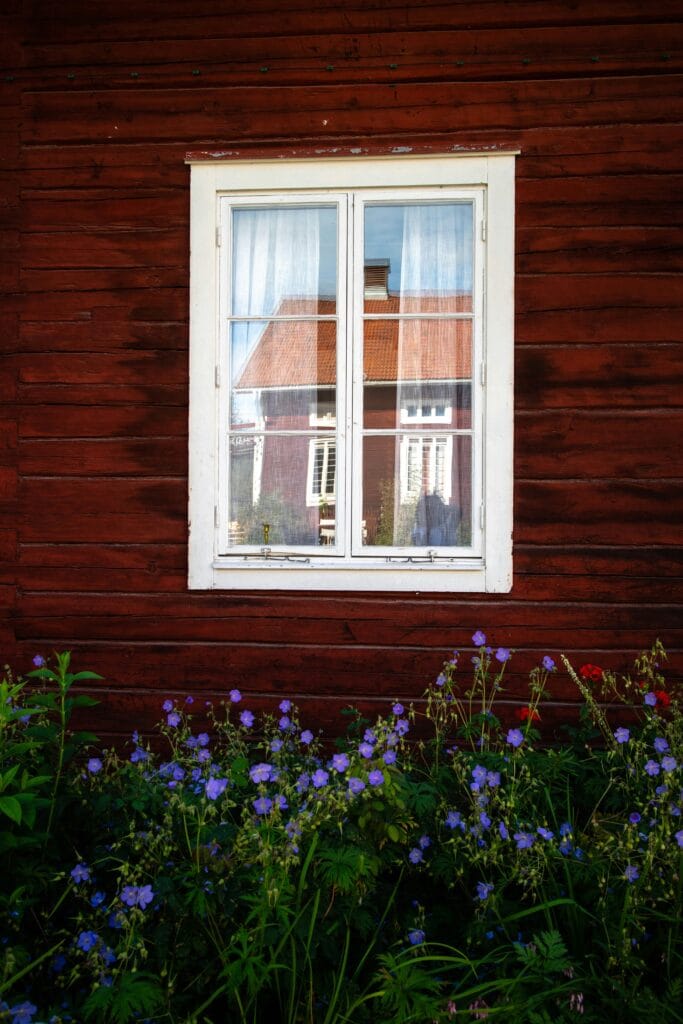
Courtesy for image by Rebecca Johansson through Unsplash
Folklore and Mysticism
Midsummer is steeped in folklore. One enduring tradition is the belief that if a young person picks **seven different kinds of flowers** and places them under their pillow on Midsummer’s Eve, they will dream of their future spouse. Other myths speak of nature being especially alive and magical during this time. In particular, plants are said to possess healing powers and are significant during midsummer in Sweden.### A National Holiday with Deep Roots
A National Holiday with Deep Roots
While Midsummer is a joyful and often boisterous celebration, it also serves as a reminder of Sweden’s deep connection to the natural world and its cultural heritage. The day encapsulates values that are central to Swedish life. It includes community, simplicity, harmony with nature, and an appreciation for the fleeting beauty of summer captured during midsummer in Sweden.
Experience Midsummer celebration in Sweden
Midsummer in Sweden is much more than a festival—it’s a cultural cornerstone that captures the essence of Swedish identity. With its blend of ancient tradition, joyful rituals, and stunning natural settings, Midsummer remains a timeless celebration of life, love, and light.
Do you want to experience midsummer in Sweden? Here are the dates:
| Date | Helgdag | Week number |
| 19 June 2026 | Midsummer´s eve 2026 | 25 |
| 25 June 2027 | Midsummer´s eve 2027 | 25 |
| 23 June 2028 | Midsummer´s eve 2028 | 25 |

